
Recruiting Today: New Build Snagging Inspector NHBC Certified in Milton Keynes – Quality Assurance Inspector for New Build Properties with NHBC Certification

The UK’s construction industry is booming, and nowhere is this more evident than in Milton Keynes, where new build developments continue to reshape the skyline. With this rapid expansion comes an increasing demand for quality assurance professionals who can ensure that these properties meet the highest standards. If you’re considering a career as a New Build Snagging Inspector with NHBC certification in Milton Keynes, or if you’re a property developer looking to understand what this role entails, you’ve come to the right place.
Understanding the Role of a New Build Snagging Inspector
A New Build Snagging Inspector plays a crucial role in the property development process. These professionals are the gatekeepers of quality, ensuring that newly constructed homes meet both regulatory standards and buyer expectations before they’re handed over to their new owners.
The term “snagging” refers to the process of identifying defects, issues, or incomplete work in a newly built property. These can range from minor cosmetic problems like paint splashes and scratched fixtures to more serious structural concerns. A qualified snagging inspector meticulously examines every aspect of a property, creating comprehensive reports that developers must address before final handover.
In Milton Keynes, where new housing developments are constantly emerging to meet the city’s growing population demands, the role of a snagging inspector has become increasingly vital. The city’s unique position as a planned town with ongoing expansion projects means there’s a consistent need for quality assurance professionals who understand both traditional building standards and modern construction techniques.
Why NHBC Certification Matters
The National House Building Council (NHBC) is the UK’s leading warranty and insurance provider for new homes. NHBC certification isn’t just a nice-to-have credential—it’s often considered the gold standard in the industry. When you’re NHBC certified as a snagging inspector, you’re demonstrating that you understand the specific standards and requirements that apply to new build properties in the UK.
NHBC certification shows that you’ve received comprehensive training in building regulations, construction standards, and the specific criteria that new homes must meet to qualify for NHBC warranty coverage. This certification is particularly valuable because approximately 80% of new homes built in the UK are covered by NHBC warranties, making this knowledge essential for anyone working in quality assurance for new builds.
For property developers in Milton Keynes, hiring NHBC-certified inspectors provides peace of mind. These professionals understand the nuances of NHBC standards and can identify potential issues before they become warranty claims or customer complaints. This proactive approach saves developers time, money, and reputation damage in the long run.
The Growing Market in Milton Keynes
Milton Keynes has a unique position in the UK property market. Originally designated as a new town in 1967, it was designed to accommodate London’s overspill population. Today, it continues to grow at a remarkable pace, with ambitious plans to double its population by 2050. This growth trajectory means continuous construction activity and, consequently, ongoing demand for quality assurance professionals.
The city’s strategic location—just 50 miles northwest of London with excellent transport links—makes it an attractive location for both residential and commercial development. Major house builders including Barratt Homes, Taylor Wimpey, Persimmon Homes, and David Wilson Homes have all established significant presences in the area, each requiring qualified inspectors to ensure their properties meet the required standards.
Recent statistics show that Milton Keynes consistently ranks among the top UK cities for new home construction. This sustained building activity creates a stable job market for snagging inspectors, with opportunities available across various development sizes—from small infill projects to large-scale housing estates.
Essential Skills and Qualifications
Becoming a successful New Build Snagging Inspector requires a combination of technical knowledge, attention to detail, and practical experience. Here’s what you’ll need:
Technical Knowledge
A solid understanding of construction principles is fundamental. This includes knowledge of building regulations, structural elements, plumbing systems, electrical installations, heating systems, and finishing standards. You’ll need to understand how different building materials should perform and what constitutes acceptable workmanship versus defects that require remediation.
NHBC certification provides much of this technical foundation, but many successful inspectors also have backgrounds in construction, surveying, or related fields. Experience as a tradesperson, site manager, or building surveyor can provide invaluable practical knowledge that enhances your effectiveness as an inspector.
Attention to Detail
This might seem obvious, but it’s worth emphasizing—snagging inspection is all about the details. You’ll need to spot issues that others might overlook, from subtle alignment problems to minor cracks that could indicate more serious underlying issues. The best inspectors develop a systematic approach, methodically working through each room and area to ensure nothing is missed.
Communication Skills
Creating comprehensive, clear reports is essential. Your findings need to be documented in a way that’s both thorough and understandable to various stakeholders—from site managers who’ll coordinate repairs to homebuyers who want to understand what’s being addressed. Good written communication ensures that defects are properly understood and rectified.
Interpersonal skills matter too. You’ll interact with developers, site managers, contractors, and sometimes homebuyers themselves. Being professional, diplomatic, and constructive in these interactions helps maintain positive working relationships while still ensuring standards are met.
Physical Fitness and Practical Considerations
Snagging inspection isn’t a desk job. You’ll spend your days walking through properties, climbing stairs, accessing loft spaces, and sometimes working in properties that aren’t yet fully finished. Reasonable physical fitness and the ability to work in varying conditions (including unheated properties in winter) are important practical considerations.
The NHBC Certification Process
If you’re interested in pursuing NHBC certification, understanding the process is your first step. The NHBC offers various training courses and qualifications relevant to different roles in the construction industry.
For aspiring snagging inspectors, the most relevant pathway typically involves NHBC’s technical training programs. These courses cover the NHBC Standards, which set out technical requirements and performance standards for the design and construction of new homes. The Standards are organized into chapters covering everything from siteworks and substructure to roof coverings and internal finishes.
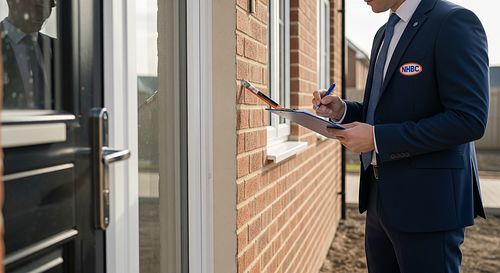
Training usually combines theoretical knowledge with practical application. You’ll learn to identify common defects, understand building regulations, and apply NHBC standards to real-world situations. Many programs include site visits and practical assessments to ensure you can apply your knowledge in the field.
The cost and duration of certification vary depending on your starting point and chosen pathway. Some individuals come to the role with existing construction qualifications and need only to add NHBC-specific training, while others might pursue more comprehensive education in building inspection or surveying alongside NHBC certification.
It’s worth noting that NHBC certification isn’t a one-time achievement—staying current with building regulations, construction techniques, and NHBC Standards requires ongoing professional development. The construction industry evolves, with new materials, methods, and regulations emerging regularly. Successful inspectors commit to continuous learning throughout their careers.
Daily Responsibilities of a Snagging Inspector
So what does a typical day look like for a New Build Snagging Inspector in Milton Keynes? While every day brings different challenges, there’s a general rhythm to the work.
Pre-Inspection Planning
Your day often starts with reviewing the properties scheduled for inspection. This might include checking plans, understanding the development’s specific features, and preparing your inspection equipment. Modern inspectors typically use tablets or specialized software to record findings, along with traditional tools like moisture meters, laser levels, and inspection cameras.
Site Inspections
The bulk of your day involves on-site inspections. You’ll systematically work through each property, examining everything from the external envelope (walls, windows, roof) to internal finishes (plastering, decorating, flooring) and services (plumbing, electrical, heating).
A thorough inspection covers hundreds of checkpoints. You’re looking at door operation, window seals, tile alignment, paint finish quality, flooring installation, fixture fitting, and countless other details. You’ll test taps, check for adequate ventilation, ensure electrical outlets work properly, and verify that heating systems function correctly.
For each defect identified, you’ll document its location, nature, and severity. Photography is crucial—clear images help contractors understand exactly what needs addressing. Your notes need to be specific: “small crack in bedroom ceiling” is less helpful than “hairline crack approximately 200mm long in bedroom 2 ceiling, running from southwest corner towards light fitting.”
Report Compilation
After site inspections, you’ll compile your findings into comprehensive reports. These documents categorize defects by severity and location, providing the developer with a clear action list. Good reports strike a balance between thoroughness and usability—they need to capture every issue without becoming so unwieldy that they’re difficult to work with.
Follow-Up Inspections
Snagging inspection doesn’t end with the initial report. You’ll often conduct follow-up visits to verify that identified defects have been properly rectified. This might involve re-inspecting specific areas or conducting a full property review before final sign-off.
Career Prospects and Earning Potential
The financial rewards for NHBC-certified snagging inspectors in Milton Keynes can be substantial, particularly for experienced professionals. Entry-level positions typically offer salaries in the £25,000-£30,000 range, while experienced inspectors can earn £35,000-£50,000 or more.
Many inspectors work on a self-employed or contract basis, which can offer even greater earning potential. Self-employed inspectors typically charge per property inspected, with fees ranging from £300-£600+ depending on property size and complexity. A productive inspector handling multiple properties per day can generate significant income, though this comes with the usual considerations of self-employment including irregular work patterns and the need to manage your own business administration.
Career progression opportunities exist for those who excel in the role. Senior inspector positions, quality assurance management roles, and consultancy opportunities all become accessible with experience and a proven track record. Some inspectors transition into related fields like building surveying, project management, or construction consultancy, leveraging their detailed knowledge of construction standards and quality assurance.

The Milton Keynes market specifically offers advantages for career-minded inspectors. The city’s ongoing growth provides job security that might be less certain in areas with more volatile construction markets. The diversity of developments—from affordable housing to luxury apartments—also offers variety and opportunities to develop expertise across different property types.
Working with Developers and Builders
Understanding the relationship between inspectors and developers is important for anyone considering this career. While inspectors serve a quality assurance function, they’re not adversaries to the construction process—they’re partners in delivering quality homes.
The best developers view snagging inspection as a valuable quality control tool rather than an inconvenient obligation. Identifying and resolving issues before a homeowner moves in is far less disruptive and expensive than dealing with complaints and warranty claims later. NHBC-certified inspectors who approach their work constructively, providing clear feedback and working collaboratively with site teams, become valued partners in the development process.
This doesn’t mean compromising on standards—far from it. It means communicating findings clearly, understanding the realities of construction timelines, and focusing on genuine defects rather than nitpicking over subjective preferences. Experienced inspectors develop judgment about what constitutes a defect requiring remediation versus minor variations within acceptable tolerances.
Building strong working relationships with developers can lead to consistent work opportunities. Developers who trust your judgment and professionalism are likely to engage your services repeatedly across multiple projects, providing the kind of steady work that makes a career in snagging inspection sustainable long-term.
The Impact of Modern Construction Techniques
The construction industry is evolving rapidly, with new building methods and materials becoming increasingly common. For snagging inspectors, staying current with these developments is essential.
Modern Methods of Construction (MMC), including prefabricated components and modular building techniques, are becoming more prevalent in UK housing developments. These approaches offer potential benefits in terms of construction speed and consistency, but they also present unique inspection challenges. An NHBC-certified inspector needs to understand how these systems should perform and what defects might occur.
Energy efficiency standards have also transformed new build specifications. Properties today include sophisticated insulation systems, mechanical ventilation with heat recovery (MVHR), high-performance windows, and renewable energy technologies. Inspectors must understand these systems and verify they’re installed correctly—a poorly installed MVHR system or inadequate insulation can significantly impact a home’s performance and the owner’s comfort.
Building regulations continue to evolve, with recent updates focusing on fire safety following the Grenfell Tower tragedy, as well as ongoing enhancements to energy efficiency requirements. NHBC standards reflect these regulatory changes, and certified inspectors must stay current with the latest requirements.
Technology in Modern Snagging Inspection
Technology has revolutionized how snagging inspections are conducted and documented. Gone are the days of clipboards and paper checklists—today’s inspectors leverage digital tools to improve efficiency and accuracy.
Specialized inspection software allows inspectors to work through standardized checklists while on-site, ensuring consistency across inspections and reducing the risk of overlooking items. Photos can be captured and automatically linked to specific defects, with GPS tagging ensuring precise location recording in larger developments.
Thermal imaging cameras have become valuable tools for identifying insulation defects, air leakage, and moisture issues that might not be visible to the naked eye. Moisture meters provide objective data about dampness levels, removing guesswork from assessments. Laser levels help verify alignment and levelness, while borescope cameras allow inspection of concealed spaces without destructive investigation.
Drone technology is increasingly used for inspecting roofs and high-level areas, improving safety while providing detailed imagery of areas that might otherwise be difficult to assess thoroughly. This is particularly valuable in multi-storey developments where access to upper levels can be challenging.
Cloud-based reporting systems enable inspectors to generate and share reports quickly, with developers receiving findings in real-time rather than waiting days for paper reports. This speed facilitates faster remediation, keeping construction timelines on track.
For anyone entering the field, comfort with technology is increasingly important. While traditional inspection skills remain fundamental, the ability to leverage modern tools enhances your effectiveness and efficiency as an inspector.
Challenges and Rewards of the Role
Like any career, working as a New Build Snagging Inspector comes with both challenges and rewards. Understanding both sides helps you determine whether this career path aligns with your interests and temperament.
Challenges
The work can be physically demanding. Expect to spend hours on your feet, climbing stairs, navigating partially completed properties, and working in conditions that might be dusty, cold, or uncomfortable. Properties under inspection often lack heating, lighting, or other conveniences, particularly during early-stage inspections.
There’s pressure to be thorough without being unreasonable. Developers and builders work to tight schedules, and while your role is to ensure quality, you need to distinguish between genuine defects and minor variations within acceptable tolerances. This judgment develops with experience but can be challenging for newer inspectors.
The responsibility can weigh heavy. Your inspection might be the final check before a family moves into their new home—potentially the biggest purchase of their lives. Missing a significant defect isn’t just a professional failure; it could mean a family faces disruption, disappointment, or even safety risks in their new home.
Weather dependence can impact your work schedule, particularly for external inspections. While some aspects of inspection can proceed in light rain, severe weather can disrupt schedules and income, particularly for self-employed inspectors.
Rewards
For many inspectors, the job satisfaction comes from making a tangible difference. You’re helping ensure families move into quality homes that meet proper standards. Every defect you identify and ensure gets corrected is a problem a homeowner won’t face, which provides genuine satisfaction.
The variety keeps the work interesting. Every property presents different challenges, and you’ll encounter various construction methods, designs, and issues. If you enjoy problem-solving and detective work, snagging inspection offers constant mental stimulation.
The independence appeals to many in the profession. Whether self-employed or working for a company, you’ll typically work autonomously, managing your own schedule and approach to inspections. If you prefer self-directed work over constant supervision, this aspect of the role can be very appealing.
The earning potential is solid, particularly as you build experience and reputation. For NHBC-certified professionals in a growing market like Milton Keynes, the combination of steady work opportunities and competitive compensation makes this a financially viable career choice.
Getting Started in Milton Keynes
If you’re convinced that becoming a New Build Snagging Inspector is the right career move, how do you get started in the Milton Keynes market?
Education and Training
Begin by pursuing relevant qualifications. If you don’t already have a construction-related background, consider courses in building inspection, construction technology, or building surveying. Many colleges offer part-time and distance learning options that allow you to study while working.
Pursue NHBC certification through their training programs. Contact NHBC directly to understand current training options and requirements. They offer various courses suitable for different experience levels, from foundation training for newcomers to advanced technical courses for experienced professionals.
Gain Practical Experience
Experience in construction provides invaluable context for snagging inspection. If you’re transitioning from outside the industry, consider gaining experience through construction site work, even in an assistant or trainee role. Understanding how buildings are constructed makes you much more effective at identifying defects and understanding their implications.
Some aspiring inspectors start by shadowing experienced professionals, learning the practical aspects of inspection methodology and report writing. While this might be unpaid or low-paid initially, the education you receive can be invaluable.
Build Your Network
Connect with developers, builders, and other construction professionals in the Milton Keynes area. Attend industry events, join professional associations, and engage with the local construction community. Many job opportunities in this field come through personal connections and reputation rather than advertised positions.
Professional bodies like the Royal Institution of Chartered Surveyors (RICS) and the Association of Building Engineers (ABE) offer networking opportunities and professional development resources. Membership in these organizations enhances your credibility while providing access to industry knowledge and connections.
Consider Your Employment Model
Decide whether you want to work as an employee or establish yourself as a self-employed inspector. Employment offers security and steady income while you build experience, while self-employment offers flexibility and potentially higher earnings once you’ve established yourself.
Many inspectors start as employees and transition to self-employment once they’ve built experience, reputation, and a network of clients. This staged approach reduces risk while allowing you to learn the business side of snagging inspection before relying on it entirely for your income.
The Future of Snagging Inspection in Milton Keynes
Looking ahead, the prospects for New Build Snagging Inspectors in Milton Keynes remain strong. The city’s growth plans show no signs of slowing, with multiple large-scale developments in planning and construction phases. The government’s commitment to increasing housing supply across the UK further supports ongoing demand for construction professionals, including quality assurance inspectors.
Regulatory trends suggest increasing focus on building quality and safety following high-profile building failures. This emphasis on quality assurance makes professionally conducted snagging inspection more important than ever, potentially increasing demand for certified professionals.
Homebuyer awareness of snagging inspection has also grown. More buyers understand the value of professional inspection before accepting a new property, creating opportunities for inspectors who work directly with purchasers in addition to those employed by developers.
Climate change considerations are driving changes in building standards, with increasing emphasis on energy efficiency, sustainable materials, and resilience to weather extremes. Inspectors who understand these evolving standards and can verify compliance will find themselves increasingly valuable to developers and buyers alike.
The professionalization of the industry continues, with stronger emphasis on proper qualifications and certification. NHBC certification positions you advantageously in this evolving landscape, demonstrating your commitment to professional standards and ongoing development.
Making the Career Decision
Deciding whether to pursue a career as a New Build Snagging Inspector requires honest self-assessment. Do you have the attention to detail required for thorough inspection work? Can you work independently and manage your time effectively? Are you comfortable with physical work in varying conditions? Do you have or can you develop the technical knowledge required?
If you answer yes to these questions and you’re attracted to the combination of technical work, independence, and the satisfaction of ensuring quality in new homes, then snagging inspection might be an excellent career choice. The Milton Keynes market specifically offers advantages in terms of consistent work opportunities and exposure to diverse development types.
The investment required to enter the field—training costs, potential initial lower earnings while building experience—needs to be weighed against the long-term career prospects and earning potential. For many, the investment proves worthwhile, leading to rewarding careers with solid earnings and genuine job satisfaction.
Conclusion
The role of New Build Snagging Inspector with NHBC certification represents a vital function in the UK construction industry. In Milton Keynes, where new housing development continues at pace, qualified inspectors find themselves in consistent demand, with opportunities across various development types and employer models.
This career offers the satisfaction of ensuring quality in homes that families will treasure for decades, combined with solid earning potential and diverse day-to-day work. The requirement for NHBC certification ensures that professionals in this field maintain high standards and current knowledge, benefiting both their careers and the wider construction industry.
Whether you’re considering a career change into construction quality assurance or you’re already in the industry and looking to specialize, becoming an NHBC-certified snagging inspector in Milton Keynes offers a pathway to a rewarding and sustainable career. The combination of the city’s ongoing growth, the construction industry’s quality focus, and the professional recognition that NHBC certification provides creates a strong foundation for long-term career success.
Frequently Asked Questions (FAQs) about New Build Snagging Inspectors
1. What does an NHBC Certified Snagging Inspector actually do?
An NHBC Certified Snagging Inspector meticulously examines a new build property, both internally and externally, to identify any defects, omissions, or substandard finishes. They compile a detailed, photographic report of these “snags,” often referencing NHBC technical standards, to provide the homeowner with a clear document for the builder to address, ensuring quality and compliance.
2. Why is NHBC certification so important for a snagging inspector?
NHBC certification or a thorough understanding of NHBC standards signifies that an inspector is knowledgeable about the UK’s leading new home warranty provider’s technical requirements. This expertise ensures inspections are carried out against recognised industry benchmarks, adding credibility to findings and facilitating smoother resolution of issues with developers.
3. How long does a typical snagging inspection take?
The duration of a snagging inspection can vary significantly depending on the size and complexity of the property. For a standard 3-bedroom house, an inspection might take anywhere from 3 to 6 hours. Larger properties or those with numerous issues could require a full day, as thoroughness is prioritised over speed.
4. Can a snagging inspector guarantee all issues will be resolved by the builder?
While a snagging inspector provides a comprehensive report and acts as an advocate for the homeowner, they cannot legally guarantee that a builder will resolve every single issue. However, the professional report, especially one referencing NHBC standards, significantly strengthens the homeowner’s position and makes it highly probable that most, if not all, legitimate snags will be rectified by the developer.
5. Why should I hire a local snagging inspector in Milton Keynes?
Hiring a local snagging inspector in Milton Keynes offers several advantages. They often have a better understanding of local building practices, specific developments, and even common issues seen in the area. Their proximity also allows for easier scheduling, potential follow-up visits if needed, and a quicker response, ensuring a smoother and more efficient snagging process.