
Recruiting Today: Modular Off-Site Construction Operative in Nottingham – Factory-Based Construction Worker for Modern Modular Building Manufacturing
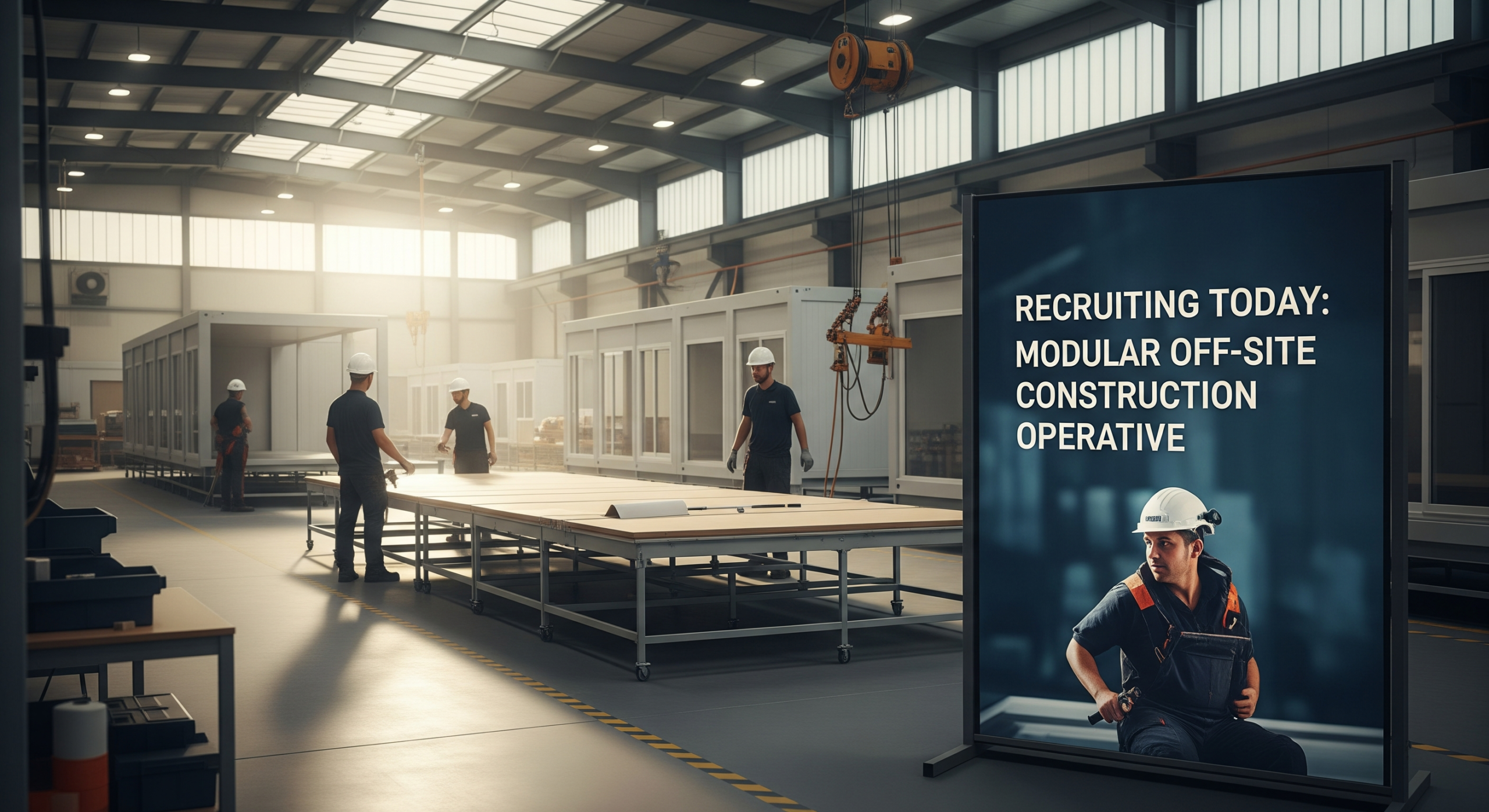
This isn’t your grandad’s factory job. This is precision engineering meets construction, demanding a new breed of skilled professionals who thrive in a collaborative, efficient, and quality-driven setting. If you’re based in Nottingham or looking to relocate to a region bustling with opportunities in this exciting sector, then read on. This comprehensive guide will delve into what it means to be a factory-based construction worker in modern modular building manufacturing, why Nottingham is a prime location, the skills you’ll need, and the rewarding career path that awaits.
The Rise of Modular: Why Off-Site Construction is the Future
Before we dive into the specifics of the operative role, it’s crucial to understand the “why” behind the modular construction boom. Off-site construction, where building components or entire modules are manufactured in a controlled factory environment before being transported and assembled on-site, offers a plethora of advantages that are transforming the industry.
Speed and Efficiency: Time is Money
One of the most compelling benefits of modular construction is its remarkable speed. By conducting construction tasks simultaneously in a factory while site preparation happens concurrently, project timelines can be slashed by as much as . This means projects are completed faster, reducing overheads, and allowing for quicker occupancy or return on investment. For the operative, this translates to consistent work and a focus on hitting production targets in a streamlined process.
Enhanced Quality Control: Precision Engineering
In a factory setting, environmental variables are eliminated. No more worrying about rain delays, extreme temperatures, or muddy conditions affecting material quality or worker productivity. This controlled environment allows for stringent quality checks at every stage of production. Advanced machinery, combined with skilled operatives, ensures that each module meets exact specifications, often exceeding the quality standards achievable on a traditional site. For the operative, this means working with high-quality tools and materials, and a sense of pride in crafting a superior product.
Cost Savings: Smarter, Not Harder
While the initial investment in factory equipment might be higher, modular construction often leads to significant cost savings in the long run. Reduced project timelines directly translate to lower labor costs and less time spent on-site. Furthermore, the efficiency of factory production minimizes material waste, as materials can be precisely cut and utilized, and offcuts recycled more effectively. This economic advantage contributes to the stability and growth of modular construction companies, creating secure jobs.
Unparalleled Safety: A Controlled Environment
Construction has historically been associated with high-risk environments. However, moving the bulk of the construction process into a factory dramatically improves worker safety. Operatives work at ground level, often in climate-controlled conditions, with specialized equipment and strict safety protocols. This reduces the risk of falls, exposure to inclement weather, and other common site hazards. For you, the potential operative, this means a safer, more comfortable, and healthier working environment compared to traditional on-site roles.
Sustainability: Building Greener
In an era of increasing environmental consciousness, modular construction shines as a sustainable alternative. The reduced waste generation, coupled with optimized material usage, minimizes the ecological footprint of projects. Factories can also more easily implement energy-efficient manufacturing processes and incorporate eco-friendly materials. This commitment to sustainability makes modular construction an attractive option for environmentally-minded companies and workers alike.
Nottingham: A Hub for Modular Innovation
Why focus on Nottingham for this burgeoning career? The East Midlands, and Nottingham specifically, is emerging as a significant player in the UK’s modular construction landscape. Our research indicates a strong presence of companies specializing in modular buildings within and around the city. Companies like Midlands Portable Buildings (MPB), Elite Systems GB, and Conlon Construction are examples of local businesses actively involved in this sector. These firms, alongside larger national players like Premier Modular (who operate across the UK), are contributing to a vibrant job market for skilled factory-based construction workers.
Nottingham’s strategic location, excellent transport links, and access to a skilled workforce make it an ideal place for modular manufacturers to establish and grow their operations. This means a steady demand for skilled operatives and a growing ecosystem of suppliers and support services, ensuring long-term career prospects for those who join the ranks of modular construction.
The Role of a Modular Off-Site Construction Operative: What to Expect
So, what does a “Factory-Based Construction Worker for Modern Modular Building Manufacturing” actually do? This is a hands-on role that combines traditional construction skills with manufacturing precision. While specific duties can vary slightly between companies and project types, the core responsibilities revolve around the assembly and fabrication of building modules.
Core Responsibilities & Daily Tasks:
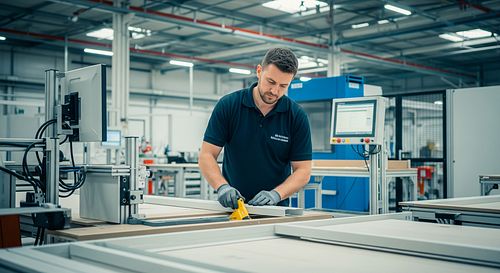
- Fabrication: Working with a variety of materials (wood, steel, plasterboard, insulation) to create individual components of a module. This could involve cutting, shaping, and preparing materials according to technical drawings and specifications.
- Assembly: Following blueprints and assembly instructions to construct modular units. This involves fitting together pre-fabricated components, installing internal and external finishes, and ensuring structural integrity.
- Material Handling: Safely moving and positioning materials and finished components within the factory using appropriate equipment, which might include forklifts, cranes, or specialized lifting gear.
- Quality Control & Inspection: Continuously checking work against quality standards and technical drawings, identifying and reporting any defects, and ensuring that all components meet the required specifications before moving to the next stage or shipment.
- Installation of Services: Depending on the specialization, operatives might be involved in the installation of basic electrical, plumbing, or HVAC components within the module.
- Team Collaboration: Working effectively as part of a production team, communicating clearly with colleagues, supervisors, and quality control personnel to ensure a smooth and efficient manufacturing process.
- Adherence to Safety Protocols: Strictly following all factory safety guidelines, wearing appropriate personal protective equipment (PPE), and maintaining a clean and organized workspace.
Unlike traditional construction, where a single worker might perform a wide range of tasks over a long period, factory-based roles are often more specialized and repetitive, fostering a high level of expertise in specific areas. This precision and focus contribute directly to the overall quality and efficiency of the modular build.
Skills and Qualifications: What You Need to Bring to the Table
While previous construction experience is often highly valued, the modular sector also welcomes individuals with transferable skills and a keen willingness to learn. This industry is about embracing new methodologies, so adaptability is key.
Essential Skills & Qualities:
- Strong Manual Dexterity & Practical Skills: The ability to work with tools and materials accurately and efficiently is fundamental. Whether it’s using hand tools, power tools, or operating machinery, a good aptitude for hands-on work is crucial.
- Ability to Read & Interpret Blueprints/Technical Drawings: You’ll be working from detailed plans, so understanding how to read and follow technical specifications is essential for accurate fabrication and assembly.
- Attention to Detail & Quality Focus: In a factory environment where precision is paramount, a meticulous approach to your work and a commitment to producing high-quality components are non-negotiable.
- Teamwork & Communication Skills: Modular construction is a highly collaborative process. You’ll be working closely with colleagues, so effective communication and the ability to work as part of a cohesive team are vital.
- Problem-Solving Aptitude: While processes are streamlined, unexpected challenges can arise. The ability to identify issues and contribute to solutions quickly helps maintain efficiency.
- Adherence to Safety Standards: A commitment to safe working practices is paramount. Understanding and following safety protocols protects not only yourself but also your colleagues.
- Basic Digital Literacy (Increasingly Important): As manufacturing processes become more automated and data-driven, basic computer skills and the ability to interact with digital tools or systems can be a significant advantage.
- Understanding of Manufacturing Processes (Desired): Familiarity with lean manufacturing principles, continuous improvement, or even Design for Manufacture and Assembly (DfMA) can set you apart, though often these concepts are taught on the job.
- Physical Stamina: While the factory environment is controlled, the role can still involve physical tasks, lifting, and standing for extended periods.
Qualifications:
While specific qualifications may vary by employer, here’s what typically helps:
- Relevant Vocational Qualifications: NVQs or diplomas in carpentry, joinery, steel fixing, or general construction are highly beneficial.
- CSCS Card: A Construction Skills Certification Scheme (CSCS) card is often required, even in a factory setting, as it demonstrates a basic understanding of health and safety.
- Forklift License/Other Machine Operation Certifications: If the role involves material handling, relevant licenses for operating forklifts, overhead cranes, or other machinery will be a strong asset.
- No Prior Modular Experience? No Problem! Many employers are open to training enthusiastic candidates who possess strong transferable skills from other manufacturing, engineering, or traditional construction roles.
Career Progression: Building Your Future in Modular
A career as a Modular Off-Site Construction Operative isn’t just a dead-end job; it’s a gateway to diverse and rewarding opportunities within a rapidly expanding industry. With dedication and continuous learning, several career paths can open up:
- Specialized Operative: You might become an expert in a particular aspect of module construction, such as a master joiner for internal fittings, a specialist in external cladding, or an expert in service installations.
- Team Leader/Supervisor: With experience and proven leadership skills, you can advance to overseeing a production line or a specific team, coordinating tasks and ensuring targets are met.
- Quality Assurance Technician: Your keen eye for detail and understanding of manufacturing processes could lead to a role in ensuring that all modules meet stringent quality standards before leaving the factory.
- Production Planner/Coordinator: If you have an aptitude for organization and logistics, you could move into roles that involve scheduling production, managing material flow, and coordinating with different departments.
- Maintenance Technician: For those with mechanical or electrical skills, maintaining the advanced machinery within the factory is a crucial role.
- Training & Development: Experienced operatives might transition into roles focused on training new employees, sharing their expertise, and fostering the next generation of modular builders.
- Design for Manufacture and Assembly (DfMA) Specialist: With a deeper understanding of modular principles and design, you could even move into roles that bridge the gap between design and production, optimizing modules for efficient manufacturing.
The key to progression in this field is continuous learning, embracing new technologies, and demonstrating a commitment to efficiency and quality. Many companies offer internal training programs and support for further qualifications, investing in their employees’ growth.
Why This is the Right Time to Join the Modular Movement
The demand for housing, infrastructure, and commercial spaces continues to grow, and modular construction offers a powerful solution to deliver high-quality, sustainable buildings more quickly and efficiently. Governments and private developers are increasingly turning to off-site methods, guaranteeing a strong and stable future for the industry.
For you, this translates into:
- Job Security: Working in a growing sector with increasing investment.
- Stable Working Conditions: A consistent, climate-controlled factory environment, less susceptible to weather delays than traditional sites.
- Skill Development: Opportunities to learn advanced manufacturing techniques and work with cutting-edge technology.
- Pride in Your Work: Being part of a team that is literally building the future, delivering high-quality, sustainable structures.
Nottingham’s burgeoning modular construction scene provides an excellent entry point into this exciting career. If you’re a hands-on individual, eager to learn, and ready to be part of a modern manufacturing process that is shaping the future of construction, then a role as a Modular Off-Site Construction Operative could be your next big career move.
Take the leap and explore the opportunities to build tomorrow, today, in Nottingham.
Frequently Asked Questions (FAQs)
1. What’s the main difference between a factory-based construction worker and a traditional on-site builder?
The core difference lies in the working environment and methodology. A factory-based operative works in a controlled, indoor, often climate-controlled setting, focusing on the precise manufacturing and assembly of building modules. This allows for greater consistency, quality control, and safety. Traditional on-site builders, on the other hand, work outdoors, directly on the construction site, assembling buildings from the ground up, often facing weather challenges and different logistical complexities. While both require skill, the factory role emphasizes manufacturing principles and a more specialized, repetitive workflow.
2. Do I need specific modular construction experience to apply for these roles in Nottingham?
Not necessarily! While any prior experience in modular construction is a definite advantage, many employers in Nottingham and across the UK are keen to recruit individuals with strong transferable skills from traditional construction, manufacturing, or engineering backgrounds. What’s often more important is a strong work ethic, a keen eye for detail, the ability to read technical drawings, good teamwork skills, and a genuine willingness to learn new processes and adapt to a factory environment. Many companies offer comprehensive on-the-job training.
3. What kind of career progression can I expect as a Modular Off-Site Construction Operative?
The modular construction sector offers excellent opportunities for career progression. Starting as an operative, you can specialize in particular areas (e.g., carpentry, steelwork, finishing), become a team leader or supervisor, move into quality assurance, or even transition into roles focused on production planning or maintenance. For those interested in the technical side, further training could lead to roles in Design for Manufacture and Assembly (DfMA). Continuous learning and demonstrating initiative are key to unlocking these pathways.
4. Is modular construction really more sustainable?
Absolutely! Modular construction is inherently more sustainable than traditional methods in several ways. Firstly, the factory environment allows for precise material management, significantly reducing waste through optimized cutting and recycling programs. Secondly, components are often designed for maximum energy efficiency, leading to greener buildings. Thirdly, the controlled conditions mean less impact on the local environment around the construction site, with fewer vehicle movements and less noise pollution. Many modular manufacturers also prioritize using eco-friendly and recycled materials.
5. Are there good job opportunities for modular construction operatives in Nottingham specifically?
Yes, Nottingham is becoming a growing hub for the modular construction industry in the UK. Several companies, including Midlands Portable Buildings, Elite Systems GB, and Conlon Construction, are active in the region, offering a range of factory-based roles. The strategic location of Nottingham, coupled with increasing demand for off-site solutions across the country, suggests a healthy and expanding job market for skilled operatives within the area. Regularly checking local job boards and company websites in Nottingham and the wider East Midlands will reveal current opportunities.