
Recruiting Today: Freelance Content Moderator Positions in Nottingham – Online Platform Roles Starting November 2025 via Digital Recruitment Agency

The internet, a vibrant tapestry of connection and creativity, has undeniably reshaped our lives. From bustling social media feeds to niche online communities, it’s a space where ideas flourish, businesses thrive, and people connect across continents. But with this incredible freedom comes a critical need for stewardship – a need for individuals who ensure these digital spaces remain safe, respectful, and compliant. That’s where the role of a content moderator steps in, a role that’s becoming more vital by the day.
If you’re someone who values a harmonious online environment, possesses a keen eye for detail, and is looking for a flexible career path, then listen up! The digital recruitment landscape is buzzing with opportunities, and we’re seeing a significant push for freelance content moderator positions, particularly with online platform roles slated to commence around November 2025. And for those based in or around Nottingham, this could be a particularly exciting moment to tap into a rapidly expanding sector, often through the seamless gateway of a digital recruitment agency.
Forget the traditional nine-to-five; this is about leveraging your skills to contribute meaningfully to the digital world, all from the comfort of your home, or wherever you choose to set up your workspace in Nottingham. It’s about becoming a guardian of online communities, helping to shape positive digital experiences for millions. And honestly, isn’t that a pretty cool way to make a living?
What Exactly Does a Freelance Content Moderator Do, Anyway?
You might be wondering, “What does content moderation actually involve day-to-day?” It’s a fair question, as it’s a role that often happens behind the scenes, yet it’s absolutely crucial to the health of any online platform.
At its core, a freelance content moderator is an online gatekeeper, reviewing user-generated content against a set of predetermined guidelines, community standards, and legal requirements. This content can come in many forms:
- Text: Comments, forum posts, chat messages, articles, and even user profiles. This involves identifying hate speech, harassment, misinformation, spam, and other inappropriate language.
- Images: Photos, memes, illustrations, and profile pictures. Moderators check for graphic violence, nudity, copyright infringement, or promotional material that violates terms of service.
- Videos: Short clips, live streams, and longer-form content. This is often the most challenging, requiring moderators to quickly assess rapidly moving or evolving content for violations such as self-harm, child exploitation, or illegal activities.
- Audio: Podcasts, voice notes, and audio within video content are also scrutinised for similar infractions.
The goal? To protect users from harmful, illegal, or offensive material, maintain brand reputation, and foster a positive and engaging online atmosphere. It’s a bit like being a digital detective, a community manager, and a policy expert all rolled into one. And let me tell you, it takes a special kind of person to do it well. You need to be methodical, fair, and have a good head on your shoulders.
While automated tools and artificial intelligence are incredibly helpful in sifting through vast amounts of data, the nuanced and complex nature of human communication means that the human element in content moderation remains indispensable. AI can flag potential issues, but it often takes a human to understand context, intent, and cultural subtleties that machines just can’t grasp – at least not yet! This makes your role as a human moderator incredibly valuable and ensures that decisions are made with empathy and judgment.
Think about it: a seemingly innocent phrase in one culture could be deeply offensive in another. A piece of satire might be mistaken for genuine hate speech by an algorithm. That’s where you come in, bringing that uniquely human understanding to the table.
This role isn’t just about deleting content; it’s about making informed decisions that directly impact user experience and safety across various platforms, including:
- Social Media Networks: Keeping platforms like Facebook, X (formerly Twitter), Instagram, and TikTok free from abuse and harmful trends.
- Online Gaming Communities: Ensuring fair play and respectful interaction among gamers.
- E-commerce Sites: Verifying product listings and customer reviews to prevent fraud and misrepresentation.
- Forums and Message Boards: Maintaining civil discourse and adhering to community guidelines.
- News and Media Comment Sections: Filtering out spam, hate speech, and off-topic remarks to keep discussions productive.
Each platform has its own unique guidelines and user base, so adaptability and a quick learning curve are definitely assets in this field.
Why Nottingham? A Hub for Digital Talent
You might be thinking, “Why specifically Nottingham for these freelance roles?” While the nature of freelance content moderation often means you can work from anywhere with a good internet connection, there are compelling reasons why places like Nottingham are emerging as significant hubs for digital talent, even for remote positions.
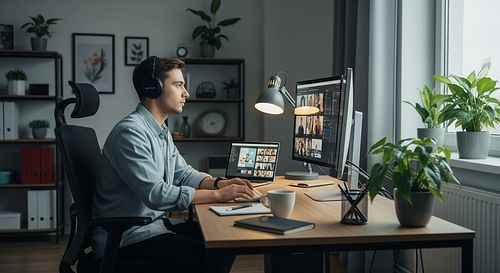
Nottingham isn’t just a historic city known for Robin Hood and lace; it’s a vibrant, growing urban centre with a thriving economy and a burgeoning tech and digital sector. The city boasts two excellent universities – the University of Nottingham and Nottingham Trent University – which consistently produce a stream of talented graduates with strong digital literacy and critical thinking skills. This creates a rich talent pool that digital recruitment agencies are keen to tap into.
Furthermore, Nottingham’s central location in the UK makes it an attractive base. While many of these roles are remote-first, there might be occasions where a digital recruitment agency or client prefers talent within a commutable distance for occasional team meet-ups, training sessions, or networking events. Being in Nottingham means excellent transport links to other major cities, offering a blend of city living with the flexibility of remote work.
The city also has a strong entrepreneurial spirit and a growing number of co-working spaces and digital innovation hubs. This ecosystem supports freelance professionals, providing opportunities for networking, collaboration, and continuous learning that can be invaluable, even for those working primarily from home. When you’re part of a larger digital community, it often feels less isolating and more dynamic.
So, while your home office might be your primary workplace, being situated in a city like Nottingham offers more than just a postcode; it offers a supportive environment, access to talent, and a growing reputation as a significant player in the UK’s digital economy. It’s about being connected to a wider professional world, even when you’re working independently.
The Freelance Advantage: Flexibility, Freedom, and a Future-Proof Career
Let’s talk about the perks, because freelancing, especially in a role like content moderation, comes with some pretty sweet advantages. In an age where work-life balance isn’t just a buzzword but a genuine pursuit, the freelance model offers unparalleled flexibility and freedom.
Imagine structuring your workday around your life, not the other way around. Early riser? Get your tasks done in the quiet morning hours. Night owl? Tackle projects when the world winds down. Need to pick up the kids from school, hit the gym in the afternoon, or schedule an appointment without a manager’s permission? That’s the beauty of being a freelancer. You become the master of your own schedule, leading to a much better sense of autonomy and, often, a healthier work-life integration. No more commuting headaches, no more office politics – just you, your work, and your chosen environment.
The gig economy isn’t just a trend; it’s a fundamental shift in how we work, offering professionals the chance to leverage their skills across multiple projects and clients. For content moderators, this means you might be working for a social media giant one day and a niche gaming platform the next, constantly diversifying your experience and keeping things fresh.
This variety isn’t just stimulating; it’s also fantastic for skill development and career progression. Each new platform or client presents unique challenges and guidelines, forcing you to constantly adapt, learn, and refine your judgment. You’ll become a more versatile and experienced moderator, opening doors to more specialised or higher-paying projects in the future. Perhaps you’ll become an expert in gaming moderation, or specialise in protecting children online, or even move into policy development within the field. The possibilities are really quite vast once you get your foot in the door.
Setting up a productive home office environment is key. This means creating a dedicated workspace, ensuring you have a reliable internet connection, and investing in any necessary equipment (a good monitor, comfortable chair, and noise-cancelling headphones can make a world of difference). Time management also becomes your superpower – learning to prioritise tasks, set realistic deadlines, and avoid distractions will be crucial for your success as an independent professional. But these are all skills you pick up and hone, making you an even more formidable professional.
Navigating the Digital Recruitment Agency Landscape: Your Gateway to Opportunities
So, you’re keen on becoming a freelance content moderator in Nottingham, with an eye on those November 2025 starts. Great! Now, how do you actually land these roles? This is where digital recruitment agencies become your best friends.
Think of these agencies as highly efficient matchmakers. They specialise in connecting talented individuals like you with companies that need your skills, often acting as the intermediary for freelance and contract positions. They already have established relationships with numerous online platforms and tech companies, meaning they have access to opportunities you might never find searching on your own.
What to look for in a good agency:
- Specialisation: Look for agencies that specifically mention digital roles, social media, content moderation, or online community management. They’ll understand the nuances of the role better than a generalist agency.
- Reputation: Do a quick online search. Check reviews and testimonials. A reputable agency will be transparent, supportive, and have a track record of successful placements.
- Support: A good agency doesn’t just get you a job and disappear. They should offer support through the application process, help with contract negotiations, and be a point of contact for any issues that arise during your assignment.
The application process typically starts with your CV and a compelling cover letter. Make sure your CV clearly highlights any relevant experience, even if it’s not direct content moderation. Have you managed a forum, volunteered as a moderator in an online community, or worked in a role requiring meticulous attention to detail and adherence to guidelines? Emphasise these transferable skills! Your cover letter should articulate your passion for online safety and your understanding of the importance of the role.
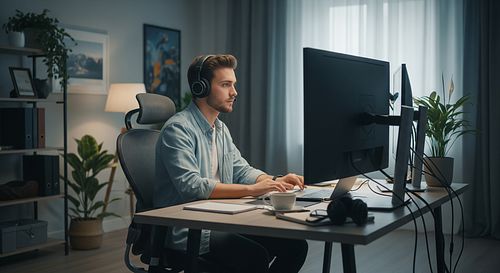
Agencies will often conduct an initial screening interview, followed by more specific interviews or even skills assessments (e.g., scenario-based questions about moderating content) with the client company. Be prepared to discuss your judgment, your resilience, and your ability to work independently.
Crucially, a strong online professional presence can make a huge difference. Ensure your LinkedIn profile is up-to-date and reflects your skills and career aspirations. If you have any relevant online portfolios or examples of your digital involvement, make sure those are polished and accessible. Agencies often scout talent online, so make it easy for them to find and assess you.
By partnering with a digital recruitment agency, you’re not just applying for a job; you’re gaining an advocate who understands the market, can provide valuable advice, and has your best interests at heart. They simplify the job search, allowing you to focus on showcasing your best self.
What to Expect: Diving In Around November 2025
So, let’s fast-forward a bit. You’ve landed a freelance content moderator position through a digital recruitment agency, and the start date is around November 2025. What’s the journey ahead likely to look like?
The initial phase will typically involve an onboarding process. This isn’t just about paperwork; it’s about getting you fully integrated into the client’s ecosystem. You’ll likely receive comprehensive training on the specific platform you’ll be moderating, its unique community guidelines, and the tools you’ll be using. This training is crucial – rules can vary significantly between platforms, and understanding the nuances is paramount. Expect detailed policy documents, online modules, and perhaps even live training sessions. And trust me, continuous learning is a constant in this field; online trends evolve rapidly, and so do the challenges. You’ll be expected to stay updated and adapt.
Your initial project types and expectations will likely be clearly defined. You might start with a specific type of content (e.g., image moderation) or a particular queue of flagged items. The goal will be to get you comfortable with the workflow and decision-making process. Performance metrics, such as accuracy rates and throughput, will be monitored, and regular feedback sessions will help you refine your skills.
When it comes to the nitty-gritty, payment structures for freelance roles are typically project-based, hourly, or sometimes even per-item reviewed, depending on the client and the agency. It’s vital to clarify these terms upfront. Based on current market trends, freelance content moderators in the UK can expect a competitive hourly rate, often translating to a decent annual equivalent. While figures vary greatly based on experience and specialisation, an average salary for a moderator in the UK sits around £25,734 per year, which for freelance work, could mean anything from £15-£30+ per hour, depending on the contract and your expertise. Always ensure your contract terms are clear, covering payment schedules, project scope, and termination clauses.
Looking ahead, the outlook for content moderation roles in 2025 and beyond is incredibly strong. As more of our lives move online, the demand for professionals who can maintain safe and positive digital environments will only increase. New platforms emerge, existing ones grow, and the complexities of online interaction require constant vigilance and human judgment. This isn’t just a job; it’s a career path with significant growth potential and an opportunity to be at the forefront of digital safety.
Essential Skills and Qualities of a Successful Content Moderator
Succeeding as a freelance content moderator isn’t just about ticking boxes; it requires a unique blend of personal attributes and sharp skills. If you’re considering this path, here’s what you’ll need in your arsenal:
- Attention to Detail: This is non-negotiable. You’ll be sifting through vast amounts of content, and missing a subtle violation could have serious consequences. A meticulous approach is key.
- Critical Thinking and Strong Judgment: You’ll often encounter ambiguous situations. The ability to analyse context, apply guidelines consistently, and make sound, impartial decisions quickly is paramount.
- Empathy and Emotional Resilience: You will, at times, encounter disturbing or upsetting content. While you must remain objective, an understanding of human behaviour and the ability to process difficult material without it affecting your well-being are crucial. Many platforms and agencies offer support systems for this, but personal resilience is still a core requirement.
- Strong Communication Skills: Whether it’s escalating a complex issue, providing feedback on a policy, or clarifying a guideline, clear and concise communication is essential.
- Understanding of Online Trends and Cultural Nuances: The internet is a melting pot of cultures and trends. Staying abreast of current online slang, memes, and cultural contexts helps in identifying subtle violations or understanding the intent behind user-generated content.
- Adaptability to Changing Guidelines: Online platforms are constantly updating their policies in response to new challenges and legal frameworks. Being able to quickly learn and adapt to these changes is vital.
- Tech Savvy: While you don’t need to be a coder, being comfortable with various software tools, online platforms, and a generally quick learner with new tech is certainly helpful.
- Ability to Work Independently: As a freelancer, self-motivation, discipline, and the ability to manage your own workload effectively are cornerstones of success.
It’s a demanding role at times, but incredibly rewarding when you know you’re making a tangible difference in creating safer, more positive online communities.
Conclusion: Your Future in Digital Stewardship
The digital world is vast and ever-expanding, and with its growth comes an increasing responsibility to keep its spaces safe, respectful, and compliant. The demand for skilled content moderators, particularly those embracing the flexibility of freelance online platform roles, is set to soar, with November 2025 marking a key period for new opportunities, especially for talent in and around Nottingham.
By leveraging the expertise of digital recruitment agencies, individuals with a keen eye, strong judgment, and a desire for flexible work can carve out a meaningful and impactful career. This isn’t just about filtering content; it’s about becoming a vital part of the digital ecosystem, a guardian of online communities, and a contributor to a safer internet for everyone.
So, if you’re ready to dive into a dynamic field that offers autonomy, continuous learning, and the chance to make a real difference from your home in Nottingham, now is the time to prepare. Polish that CV, sharpen those skills, and get ready to engage with the digital recruitment agencies that are ready to connect you with these exciting freelance content moderator positions. Your future in digital stewardship awaits!
Frequently Asked Questions (FAQs)
1. What qualifications do I need to become a freelance content moderator?
While formal qualifications aren’t always strictly required, a good general education (e.g., A-levels or a degree in humanities, media studies, or a related field) can be beneficial. More importantly, employers look for strong critical thinking skills, excellent written communication, an understanding of online culture, and a meticulous eye for detail. Experience with social media or online communities (even personal use or volunteering) is often a plus!
2. Is previous content moderation experience essential to get started?
Not necessarily! While direct experience is always an advantage, many roles, especially entry-level freelance positions, focus on transferable skills. If you can demonstrate strong analytical abilities, adherence to rules, a high level of integrity, and a good understanding of online safety, you stand a good chance. Many agencies and platforms provide comprehensive training to bring you up to speed.
3. What’s the typical pay rate for freelance content moderators in the UK?
The pay rate for freelance content moderators in the UK can vary significantly based on experience, the complexity of the content, the platform, and the specific contract. However, as of late 2024/early 2025, you can expect an hourly rate that, for experienced professionals, often translates to between £15 to £30+ per hour. For salaried roles, the average is around £25,734 annually. Always clarify the payment structure (per hour, per project, per item) with the recruitment agency or client.
4. How do digital recruitment agencies typically work for these roles?
Digital recruitment agencies act as intermediaries. They source candidates, screen them for relevant skills and experience, and then match them with their client companies that need content moderators. For freelancers, the agency often handles the contract, invoicing, and payment processing. They can be invaluable in finding opportunities you wouldn’t otherwise discover and guiding you through the application and onboarding process.
5. Can I truly work 100% remotely from Nottingham for these positions?
Yes, absolutely! The vast majority of freelance content moderator roles, especially those involving online platforms, are designed to be fully remote. This means you can perform all your duties from your home in Nottingham (or anywhere else in the UK with a reliable internet connection). While some agencies might prefer candidates within a certain geographical area for occasional meet-ups, the core work itself is almost always location-independent.