Recruiting Today: Room Attendant Vacancies in Cambridge December 2025 – Urgent Openings for Detail-Focused Housekeeping Professionals in Boutique and Chain Hotels
Cambridge’s hospitality sector is experiencing a significant surge in demand for skilled room attendants this December 2025, with both boutique establishments and major hotel chains actively recruiting detail-oriented housekeeping professionals. If you’re looking for a stable career in the thriving hotel industry, now’s the perfect time to explore these urgent openings that offer competitive benefits and real growth potential.
The Current State of Cambridge’s Hospitality Job Market
Cambridge has always been a magnet for tourists, academics, and business travelers. Between the historic university colleges, world-class museums, and year-round conferences, the city’s hotels are consistently buzzing with activity. This December, that buzz has turned into a roar, with occupancy rates hitting near-capacity levels and hotels scrambling to fill room attendant positions.
What’s driving this hiring frenzy? Several factors are at play. The post-pandemic travel recovery continues to strengthen, with international visitors flocking back to Cambridge’s iconic landmarks. Conference season is in full swing, bringing corporate groups and academic delegations to the city. Plus, the festive period naturally sees an uptick in leisure travelers wanting to experience Cambridge’s charming Christmas markets and winter events.
Hotel managers across the city are reporting that finding skilled, reliable room attendants has become increasingly challenging. Staff retention issues, career progression opportunities in other sectors, and the general labor shortage affecting hospitality nationwide have created a perfect storm of opportunity for job seekers.
What Does a Room Attendant Actually Do?
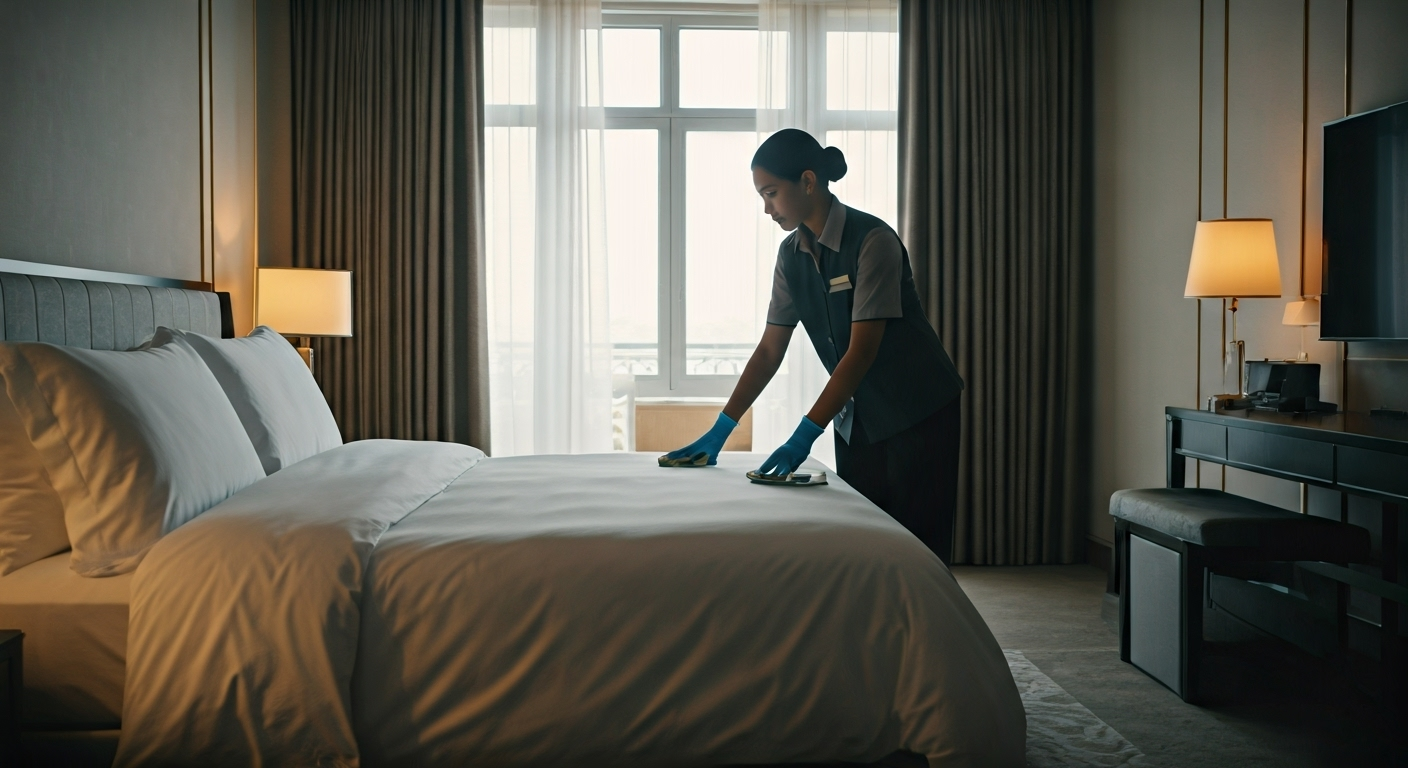
Before diving into the specific opportunities available, let’s clarify what the role entails. Room attendants—sometimes called housekeepers or room cleaners—are the unsung heroes of the hospitality industry. They’re responsible for maintaining the cleanliness, comfort, and overall presentation of guest rooms and public areas.
Your typical day as a room attendant involves cleaning and servicing between 12 to 16 rooms, depending on the property’s standards and room types. You’ll change linens, make beds to precise specifications, clean bathrooms thoroughly, vacuum and dust all surfaces, replenish amenities, and report any maintenance issues or damaged items.
But it’s more than just cleaning. You’re creating an experience. When guests walk into their room after a long day of sightseeing or meetings, they should feel like they’re entering a pristine sanctuary. That attention to detail—noticing the fingerprint on a mirror, ensuring towels are folded just so, arranging amenities thoughtfully—separates good room attendants from exceptional ones.
The physical demands are real. You’ll be on your feet most of the day, bending, lifting, pushing cleaning carts, and moving between floors. It requires stamina, efficiency, and a systematic approach to time management. However, for those who enjoy hands-on work, take pride in visible results, and appreciate a role that doesn’t involve sitting at a desk all day, it can be genuinely satisfying.
Boutique Hotels vs. Chain Hotels: Understanding Your Options
Cambridge offers two distinct types of room attendant opportunities, each with its own character and advantages.
Boutique Hotel Positions
Boutique hotels in Cambridge—think converted historic buildings, independently owned establishments with 20-50 rooms, and design-focused properties—offer a more intimate working environment. You’ll often get to know regular guests by name, work closely with a smaller team, and have more direct interaction with management.
These properties typically expect a higher level of personalized service. You might be asked to customize room setups based on guest preferences, pay extra attention to unique furnishings and decor items, or handle specialty linens and amenities. The pace can be slightly less rushed, but expectations for quality are extremely high.
The atmosphere tends to be more familial. You’re not just employee number 347; you’re part of a tight-knit team where everyone’s contribution is visible. Many boutique properties also offer more flexibility with scheduling and a greater opportunity to cross-train in other departments.
Chain Hotel Opportunities
Major chains like Premier Inn, Travelodge, Holiday Inn, and DoubleTree by Hilton maintain a strong presence in Cambridge. These establishments offer standardization, structured training programs, and clear career pathways.
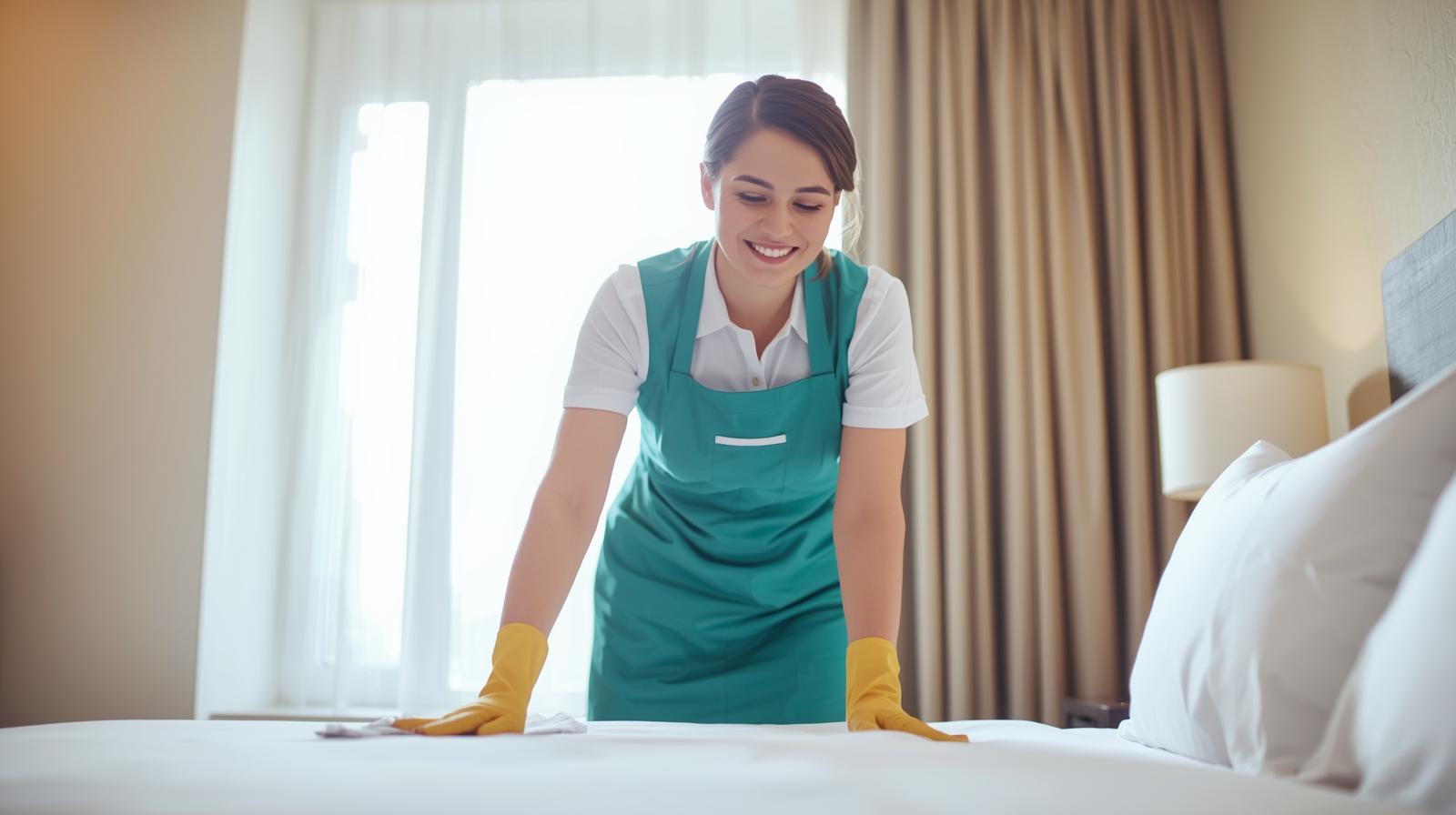
Working for a chain means you’ll benefit from established protocols and procedures. There’s less guesswork about how things should be done—everything from bed-making techniques to cleaning product usage is standardized. This can make training easier and help you work more efficiently.
Chain hotels often provide better benefits packages, including health insurance, pension contributions, employee discounts across the brand’s global properties, and structured pay scales. If you’re thinking long-term, the career development opportunities are substantial. You could start as a room attendant and progress to senior housekeeper, floor supervisor, housekeeping manager, or even transfer to other departments or locations.
The work environment tends to be more fast-paced, with higher room quotas and stricter time management expectations. However, the support infrastructure—backup staff, dedicated supervisors, and established systems—is typically stronger.
Current Vacancies and Salary Expectations
As of December 2025, Cambridge hotels are offering competitive compensation packages to attract qualified candidates. Entry-level room attendant positions typically start between and per hour, which exceeds the National Living Wage. With Cambridge’s higher cost of living, many employers are pushing toward the upper end of this range or beyond.
Experienced room attendants with strong references and proven track records can command to per hour. Some boutique properties offering specialized services or requiring additional skills (like handling delicate antiques or luxury textiles) may pay even more.
Most positions offer between 20 and 40 hours per week, with many employers willing to accommodate part-time preferences. Weekend availability is typically required, as that’s when hotels experience peak occupancy. However, the flip side is that many properties offer enhanced weekend rates—an extra to per hour for Saturday and Sunday shifts.
Beyond base pay, look for these additional benefits:
- Tips and service charges: Some properties pool and distribute gratuities among housekeeping staff
- Overtime opportunities: During busy periods, you can often pick up extra shifts at premium rates
- Uniform provision: Most hotels provide uniforms and laundry services
- Meal allowances: Many offer discounted or free meals during shifts
- Transport assistance: Some employers contribute to bus passes or cycling schemes
- Training and development: Paid training programs and professional certifications
- Staff discounts: Reduced rates for stays at the hotel or sister properties
Essential Skills and Qualities Employers Are Seeking
While formal qualifications aren’t typically required for room attendant positions, certain skills and personal qualities will make you stand out in the application process.
Attention to Detail
This is the number one trait hiring managers look for. Can you spot the dust bunny hiding under the bed skirt? Will you notice if a pillow isn’t properly fluffed or if the remote control isn’t positioned correctly? This meticulous eye separates adequate cleaning from the exceptional standards guests expect.
Time Management and Efficiency
You’re working against the clock, but rushing leads to mistakes. The best room attendants develop systematic routines that allow them to maintain quality while meeting productivity targets. It’s about working smart—knowing which tasks to tackle first, how to minimize backtracking, and when to multitask effectively.
Physical Stamina and Reliability
Hotels need people who show up consistently and can handle the physical demands. Frequent absences disrupt team dynamics and increase pressure on colleagues. Demonstrating reliability in previous roles—any roles—speaks volumes to potential employers.
Discretion and Professionalism
You’ll occasionally enter rooms while guests are present or encounter personal belongings. Maintaining professional boundaries, respecting privacy, and handling situations with maturity is crucial. Gossip and indiscretion have no place in this role.
Problem-Solving Ability
What do you do when you discover a maintenance issue? How do you handle running out of a particular amenity? The ability to think on your feet and find solutions without constant supervision is highly valued.
Cultural Awareness and Communication
Cambridge attracts international visitors. While you don’t need to speak multiple languages, being comfortable around diverse cultures and possessing basic English communication skills to understand instructions and report issues is important.
How to Apply and Stand Out in the Hiring Process
With urgent vacancies available, the application process is moving quickly. Here’s how to position yourself as the ideal candidate.
Research Available Positions
Start by checking major job boards like Indeed, Reed, Totaljobs, and CV-Library. Search for “room attendant Cambridge,” “hotel housekeeper Cambridge,” or “housekeeping staff Cambridge.” Many Cambridge hotels also post openings on their own websites under careers sections.
Don’t overlook recruitment agencies specializing in hospitality. Agencies like Blue Arrow, Caterer.com, and local Cambridge employment services often have exclusive access to positions not advertised elsewhere.
Craft a Targeted CV
Even for entry-level positions, your CV matters. Highlight any previous cleaning experience—commercial or residential. Emphasize reliability by noting long tenure at previous jobs or perfect attendance records. If you’ve worked in customer-facing roles, mention that, as it demonstrates service orientation.
Include any relevant training, even if it seems basic: COSHH (Control of Substances Hazardous to Health) certification, first aid training, or customer service courses all enhance your application.
Quantify achievements where possible. “Maintained cleanliness standards across 15 rooms daily while receiving zero guest complaints” sounds more impressive than “cleaned hotel rooms.”
Prepare for the Interview
Hotel managers typically ask situational questions to assess how you’d handle real scenarios. Be ready to discuss:
- How you prioritize tasks when facing time constraints
- How you’d respond to discovering damage in a room
- Your approach to maintaining quality while working efficiently
- Times you’ve gone above and beyond in previous roles
Demonstrate enthusiasm for the hospitality industry specifically. Even if you haven’t worked in hotels before, show that you’ve thought about what makes accommodation experiences special and how housekeeping contributes to guest satisfaction.
Be Flexible and Available
With urgent needs, hotels favor candidates who can start immediately and offer scheduling flexibility. If you can work weekends, holidays, or varying shifts, make that clear upfront. Being available for a trial shift or working interview can also expedite the hiring process.
Career Progression and Long-Term Prospects
Starting as a room attendant doesn’t mean you’re locked into that role forever. The hospitality industry offers genuine progression opportunities for motivated individuals.
Within six months to a year, high-performing room attendants often advance to senior housekeeper positions, which come with supervisory responsibilities, slightly reduced cleaning duties, and pay increases of to per hour.
From there, you might progress to floor supervisor, overseeing housekeeping operations on specific floors or shifts, coordinating staff schedules, and handling guest requests. Housekeeping manager roles—typically requiring several years of experience—involve budgeting, inventory management, staff recruitment and training, and quality control across the entire department.
Some room attendants transition into other hotel departments. Front desk roles, guest services, maintenance, or food and beverage positions all value the operational knowledge and guest service orientation that housekeeping experience provides.
The skills you develop are also transferable beyond hotels. Private domestic service, facilities management for corporate offices, hospital housekeeping, and residential care homes all seek professionals with similar skill sets.
Understanding Cambridge’s Unique Hospitality Environment
Working in Cambridge hotels offers exposure to a uniquely prestigious environment. You’re not just cleaning rooms; you’re contributing to experiences for Nobel Prize winners visiting college fellows, parents attending their children’s graduation ceremonies, tourists seeing King’s College Chapel for the first time, or business executives attending groundbreaking conferences.
The city’s reputation means standards are high across the board. Even budget chains maintain elevated expectations compared to their properties in other locations. This environment pushes you to develop excellence and pride in your work.
Cambridge’s compact geography also means commuting is relatively manageable. Most hotels cluster around the city center or near the railway station, making them accessible via public transport or cycling. The city’s excellent bus network and bike-friendly infrastructure reduce commuting costs and stress.
What Employers Provide: Training and Support
Reputable Cambridge hotels invest in comprehensive training programs, even for entry-level positions. You won’t be thrown into rooms with a vacuum and expected to figure things out.
Expect at least two to three days of structured induction covering:
- Health and safety protocols, including proper lifting techniques and chemical handling
- Specific cleaning standards and procedures for that property
- Use of equipment and cleaning products
- Time management strategies and workflow organization
- Security procedures, key management, and privacy protocols
- Customer service expectations and communication procedures
Many properties assign new room attendants to shadow experienced colleagues for the first week, providing hands-on learning in a supported environment.
Ongoing training opportunities might include advanced cleaning techniques for specialty materials, sustainability and eco-friendly practices, or cross-training in other departments.
Challenges to Consider
It’s important to approach these opportunities with realistic expectations. Room attendant work, while rewarding, comes with genuine challenges.
The physical demands can be taxing, especially initially. You’ll likely experience muscle soreness as your body adapts. Investing in quality supportive footwear makes a huge difference, as does learning proper ergonomic techniques for bed-making and bathroom cleaning.
The work can feel repetitive. If you thrive on variety and constant new challenges, you’ll need to find satisfaction in perfecting your craft and taking pride in consistent quality rather than novelty.
Guest satisfaction standards mean you’re sometimes cleaning up after people who aren’t particularly tidy or considerate. Developing emotional resilience and not taking messiness personally helps maintain job satisfaction.
Shift work and weekend requirements can impact work-life balance, especially if you have family commitments. However, many employers are increasingly willing to accommodate scheduling needs for reliable, quality staff.
The Bigger Picture: Why These Vacancies Exist Now
Understanding why Cambridge has urgent openings helps you appreciate the opportunity and negotiate from an informed position.
The UK hospitality sector is experiencing a documented staffing shortage. Brexit reduced the available labor pool from EU countries that traditionally supplied hospitality workers. Pandemic-era career changes saw many experienced professionals leave the industry entirely. Meanwhile, demand has rebounded faster than workforce recovery.
For Cambridge specifically, the city’s thriving academic, tech, and tourism sectors create constant hotel demand but also compete for workers. The University of Cambridge, Cambridge Biomedical Campus, and numerous tech companies offer alternative employment that some former hospitality workers have moved toward.
This supply-demand imbalance works in job seekers’ favor. Employers are more willing to negotiate on wages, offer flexible scheduling, provide comprehensive training, and invest in employee retention. It’s genuinely a candidate’s market right now.
Practical Next Steps to Secure Your Position
If you’re ready to pursue these opportunities, take action this week. With urgent hiring needs, positions fill quickly, and hotels often stop advertising once they’ve found suitable candidates.
Today: Update your CV emphasizing relevant experience, reliability, and attention to detail. Prepare a brief cover letter template you can customize for specific applications.
This week: Apply to at least five different properties representing a mix of boutique and chain hotels. Cast a wide net initially—you can evaluate offers once you receive them.
Be responsive: When hotels contact you, respond within 24 hours. This demonstrates the reliability they’re seeking and keeps you top of mind.
Prepare references: Line up two to three professional references who can speak to your work ethic, reliability, and character. Inform them they might be contacted so they’re prepared to give you glowing recommendations.
Consider trial periods: Many hotels offer trial shifts or probationary periods. View these as mutual evaluation periods where you’re also assessing whether the property suits you.
Making the Most of Your Room Attendant Career
Once you secure a position, approach it strategically to maximize both immediate satisfaction and long-term opportunities.
Build genuine relationships with colleagues. Housekeeping teams function best when members support each other, cover occasional absences, and share efficiency tips. The friendships you develop can make even challenging shifts enjoyable.
Seek feedback actively. Don’t wait for annual reviews to understand how you’re performing. Regular check-ins with supervisors help you course-correct quickly and demonstrate your commitment to excellence.
Volunteer for additional responsibilities. Whether it’s training new staff, handling specialty cleaning projects, or covering less popular shifts, showing initiative gets you noticed and positions you for advancement.
Take care of yourself physically. Invest in good shoes, practice proper lifting techniques, stay hydrated, and don’t skip breaks. Burnout helps no one, and sustainable pacing enables long-term success.
Stay curious about the broader operation. Learn about other departments, understand what makes the property unique, and think about how housekeeping integrates with the overall guest experience. This holistic perspective prepares you for advancement and makes your current role more engaging.
Frequently Asked Questions (FAQs) about Room Attendant Vacancies in Cambridge December 2025
1. What are the typical working hours for a Room Attendant in Cambridge, especially during December 2025?
Working hours for room attendants in Cambridge can vary significantly. While many positions are full-time (around 35-40 hours per week), part-time and flexible roles are also common. December, being a peak holiday season, often requires increased flexibility, including working weekends, bank holidays, and potentially some evenings. Standard shifts typically fall between 9 AM and 5 PM, but hotels may have varying needs for earlier starts or later finishes to accommodate guest check-ins and check-outs. It’s crucial to clarify specific shift patterns and required availability with individual hotels during the application process.
2. Do I need previous experience to apply for Room Attendant jobs in Cambridge?
While previous experience in hotel housekeeping or a similar cleaning role is definitely an advantage and often preferred, it is not always a strict requirement. Many hotels, especially larger chain establishments, offer comprehensive training programs for new hires. What’s often more important is demonstrating a strong work ethic, reliability, excellent attention to detail, physical stamina, and a positive attitude. If you’re a keen learner and can showcase your commitment to high standards, you can secure room attendant vacancies in Cambridge even with limited direct experience.
3. What is the difference in day-to-day work for a Room Attendant in a boutique hotel versus a chain hotel in Cambridge?
In a boutique hotel in Cambridge, a room attendant might find themselves managing a wider variety of unique room layouts and bespoke furnishings, requiring more adaptable cleaning techniques and a keen eye for aesthetic detail specific to the hotel’s brand. The team might be smaller, fostering a closer-knit environment. In contrast, chain hotels in Cambridge typically operate with more standardized procedures, offering clear guidelines and potentially more advanced equipment for efficiency. The scale is often larger, meaning a greater volume of rooms and a larger team, with emphasis on consistent brand standards and efficient turnaround times. Both environments demand meticulous attention to detail, but the specifics of execution and team dynamics can differ.
4. What soft skills are important for a detail-focused housekeeping professional?
Beyond the obvious cleaning skills, several soft skills are paramount for a detail-focused housekeeping professional. These include: attention to detail (of course!), time management to complete tasks efficiently without sacrificing quality, reliability and punctuality, discretion and trustworthiness when working in private guest spaces, communication skills for reporting issues or interacting with guests/colleagues, teamwork as you’ll often be part of a larger operations team, and a proactive attitude in identifying and addressing potential issues before they arise. Physical stamina and a positive, can-do attitude are also highly valued.
5. Are there opportunities for career progression for Room Attendants in Cambridge?
Yes, there are definitely opportunities for career progression within the hospitality sector in Cambridge for dedicated and high-performing room attendants. Many hotels, especially chain hotels, have structured career paths. A room attendant could progress to a Senior Room Attendant, then potentially to a Housekeeping Supervisor or Team Leader. With further experience and training, roles such as Assistant Head Housekeeper and ultimately Head Housekeeper are achievable. Some individuals may also choose to transition into other hotel departments, such as front desk or guest services, leveraging their extensive knowledge of hotel operations and guest satisfaction. Continuous learning, taking on additional responsibilities, and demonstrating leadership qualities are key to advancing your career.