Recruiting Today: Healthcare Assistant in Liverpool – Healthcare Assistant Jobs in Liverpool – Work in Hospitals, Care Homes and Community Health Settings

Introduction
Liverpool’s healthcare sector is experiencing unprecedented growth, and if you’re looking for a rewarding career that makes a real difference in people’s lives, becoming a Healthcare Assistant (HCA) might be your perfect path. The demand for compassionate, dedicated healthcare workers across Liverpool’s hospitals, care homes, and community health settings has never been higher, and the opportunities available right now are genuinely exciting.
Whether you’re starting fresh in healthcare or looking to transition from another field, Healthcare Assistant positions in Liverpool offer competitive pay, excellent training opportunities, and the chance to build a meaningful career. Let’s dive into everything you need to know about securing your Healthcare Assistant role in this vibrant city.
What Does a Healthcare Assistant Do?
Healthcare Assistants are the backbone of the UK’s healthcare system, providing essential support to nurses, doctors, and other medical professionals while delivering direct patient care. It’s hands-on work that requires empathy, patience, and a genuine desire to help others.
Your daily responsibilities as an HCA in Liverpool typically include:
- Personal care assistance: Helping patients with washing, dressing, and maintaining their personal hygiene
- Mobility support: Assisting patients with moving around safely, whether that’s helping them walk or repositioning them in bed
- Monitoring vital signs: Taking temperatures, blood pressure readings, and pulse rates
- Meal support: Helping patients eat and drink, ensuring they’re getting proper nutrition
- Making beds and maintaining clean environments: Keeping patient areas tidy and infection-free
- Emotional support: Being there for patients and their families during difficult times
- Administrative tasks: Updating patient records and communicating important information to the nursing team
The specifics can vary depending on where you work—hospitals might have you working with acute care patients, while care homes often involve building longer-term relationships with residents. Community settings might see you traveling to patients’ homes, providing care in familiar surroundings.
Why Liverpool is a Great Place for Healthcare Assistant Jobs
Liverpool isn’t just famous for its music and football—it’s also home to some of the UK’s most prestigious healthcare facilities. The city’s healthcare infrastructure is robust, with numerous employers actively recruiting Healthcare Assistants throughout the year.
Major Healthcare Employers in Liverpool
Liverpool University Hospitals NHS Foundation Trust operates several major facilities including the Royal Liverpool University Hospital and Aintree University Hospital. These large teaching hospitals offer incredible learning opportunities and the chance to work alongside specialists in various medical fields.
Community health services across Liverpool are expanding, with organizations like Liverpool Community Health NHS Trust providing care in patients’ homes, GP surgeries, and community centers. This sector’s growth means more opportunities for HCAs who prefer community-based work.
Care homes and residential facilities are scattered throughout Liverpool’s neighborhoods, from Woolton to Crosby. Private care providers, charitable organizations, and local authority-run homes all need dedicated Healthcare Assistants.
The city’s commitment to healthcare excellence, combined with its affordable cost of living compared to cities like London or Manchester, makes Liverpool an attractive destination for healthcare professionals at all career stages.
Different Healthcare Settings: Finding Your Perfect Fit
One of the best things about Healthcare Assistant roles is the variety of settings available. Each offers unique experiences and challenges.
Working in Hospitals
Hospital-based HCA positions in Liverpool’s acute care settings are fast-paced and dynamic. You’ll encounter diverse medical conditions and work as part of larger teams. Shifts typically follow a rotation pattern, including nights, weekends, and bank holidays.
Advantages:
- Exposure to various medical specialties
- Structured training programs
- Clear career progression pathways
- Access to advanced medical equipment and facilities
- Working with larger, multidisciplinary teams
Considerations:
- Can be physically demanding with heavy patient loads
- Shift work including unsocial hours
- High-pressure environment during busy periods
Care Home Positions
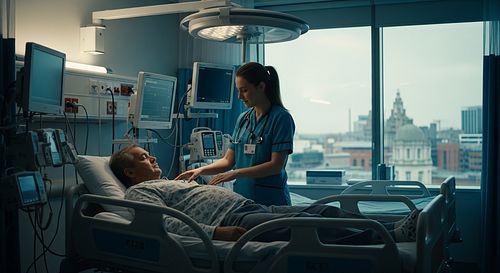
Care homes offer a different pace. You’ll often work with elderly residents, many dealing with dementia, mobility issues, or chronic conditions. The relationship-building aspect is stronger here—you’ll get to know residents and their families well.
Advantages:
- Building meaningful, long-term relationships
- Often more predictable routines
- Varied private and NHS-funded facilities
- Potentially more flexibility in shift patterns
- Holistic approach to resident wellbeing
Considerations:
- Can be emotionally challenging when residents pass away
- Sometimes smaller teams with fewer immediate resources
- May involve repetitive tasks
Community Health Settings
Community Healthcare Assistants travel to patients’ homes or work in local health centers. This role suits independent workers who enjoy variety and don’t want to be office-bound.
Advantages:
- Greater autonomy in your daily work
- Seeing patients in their home environment
- Building strong community connections
- Varied daily routine
- Making a difference in helping people stay independent
Considerations:
- Travel between appointments (sometimes using your own vehicle)
- Working alone for periods
- Dealing with varied home environments
- Weather doesn’t stop your rounds
Qualifications and Requirements for Healthcare Assistant Jobs in Liverpool
Here’s the good news: you don’t necessarily need formal qualifications to start as a Healthcare Assistant. Many Liverpool employers provide on-the-job training and will hire candidates based on their attitude, compassion, and willingness to learn.
Essential Requirements
Most employers look for:
- Good communication skills: You’ll be talking with patients, families, and healthcare professionals constantly
- Empathy and patience: Healthcare can be challenging, and your caring nature matters more than any certificate
- Physical fitness: The role involves standing for long periods, lifting, and moving around frequently
- Flexibility: Healthcare happens 24/7, so being open to various shift patterns helps
- Basic literacy and numeracy: For record-keeping and monitoring tasks
- Right to work in the UK: Essential for all positions
Desirable Qualifications
While not always required, these can give you an edge:
- Care Certificate: This standardized training program covers 15 fundamental standards of care
- NVQ/QCF Level 2 or 3 in Health and Social Care: Demonstrates your commitment to the profession
- First Aid certification: Always useful in healthcare settings
- Previous care experience: Whether paid or voluntary, relevant experience helps
- GCSE or equivalent in English and Maths: Some NHS trusts prefer this
DBS Checks
All Healthcare Assistant positions require an enhanced Disclosure and Barring Service (DBS) check. This background check ensures patient safety, and most employers will arrange this for you during the recruitment process.
Salary Expectations for Healthcare Assistants in Liverpool
Let’s talk money. Healthcare Assistant salaries in Liverpool vary based on your employer, experience level, and the setting you work in.
NHS Pay Scales
NHS Healthcare Assistants in Liverpool typically fall under NHS Band 2 or Band 3 on the Agenda for Change pay structure:
- Band 2: Starting around £22,383 per year (2026 figures)
- Band 3: Ranging from approximately £24,071 to £25,674 annually
These figures are base salaries. You’ll also receive:
- Unsocial hours payments: Additional pay for nights, weekends, and bank holidays
- Annual leave: Generous holiday entitlement (typically 27 days plus bank holidays initially)
- NHS Pension: One of the best pension schemes available
- Incremental increases: Annual pay rises based on experience
Private Sector and Care Homes
Private sector salaries can vary more widely. Care homes and private hospitals in Liverpool typically offer:
- Starting positions: £12.50 to £14.00 per hour
- Experienced HCAs: £13.00 to £14.00 per hour
- Senior or specialist roles: Up to £15.00+ per hour
Some private employers offer performance bonuses, referral incentives, and flexible benefits packages. Agency work can command higher hourly rates (£13-£18 per hour) but without the job security and benefits of permanent positions.

Community Settings
Community Healthcare Assistants often receive additional allowances for travel expenses and may get a vehicle allowance if using their own car for work purposes.
How to Apply for Healthcare Assistant Jobs in Liverpool
Ready to take the plunge? Here’s your step-by-step guide to landing your Healthcare Assistant role in Liverpool.
Step 1: Research Employers
Start by identifying which settings appeal to you most. Visit hospital websites, research local care homes, and explore community health organizations operating in Liverpool.
Step 2: Prepare Your CV
Your CV doesn’t need to be fancy, but it should highlight:
- Relevant experience (including voluntary work, caring for family members, or customer service roles)
- Key skills like communication, teamwork, and reliability
- Any healthcare-related training or qualifications
- Your availability and flexibility regarding shifts
Step 3: Write a Compelling Cover Letter
This is your chance to show your personality and passion. Explain why you want to be a Healthcare Assistant and what you’ll bring to the role. Be genuine—healthcare recruiters can spot sincerity.
Step 4: Search Job Boards and Websites
Key resources include:
- NHS Jobs: The official portal for NHS vacancies
- Indeed and Reed: Major job boards with numerous healthcare listings
- Care home websites: Many facilities advertise directly on their sites
- Local recruitment agencies: Specialized healthcare agencies like ID Medical, Maxxima, and Totally Recruitment
- Liverpool City Council: For local authority positions
Step 5: Apply and Follow Up
Submit applications promptly when you see suitable roles. Healthcare Assistant positions in popular Liverpool hospitals can attract many applicants, so don’t delay.
After applying, it’s perfectly acceptable to follow up after a week or two if you haven’t heard back. It shows initiative and genuine interest.
Step 6: Prepare for Interviews
Common interview questions include:
- Why do you want to be a Healthcare Assistant?
- How would you handle a difficult patient or family member?
- Describe a time you worked as part of a team
- What does dignity in care mean to you?
- How do you handle stressful situations?
Use the STAR method (Situation, Task, Action, Result) to structure your answers with specific examples.
Training and Career Development Opportunities
One of the most appealing aspects of Healthcare Assistant careers in Liverpool is the genuine opportunity for progression and development.
Initial Training
When you start your HCA role, you’ll receive comprehensive induction training covering:
- Health and safety procedures
- Moving and handling techniques
- Infection control protocols
- Safeguarding vulnerable adults
- Communication skills
- Basic life support
Many employers support you through the Care Certificate, a nationally recognized qualification that’s becoming the standard for new healthcare support workers.
Career Progression Pathways
Healthcare Assistants in Liverpool aren’t stuck in one position forever. Common progression routes include:
Senior Healthcare Assistant: Taking on additional responsibilities, mentoring newer staff, and sometimes specializing in areas like wound care or phlebotomy.
Nursing Associate: A relatively new role bridging the gap between HCAs and registered nurses. This two-year apprenticeship program allows you to earn while you learn.
Registered Nurse: Many HCAs go on to train as nurses through university programs or nursing degree apprenticeships. Your HCA experience is invaluable and makes you a stronger nursing candidate.
Specialist roles: Operating Department Practitioners, Therapy Assistants, or Healthcare Science Associates are alternative pathways.
Liverpool’s universities and healthcare trusts actively support career development, often offering preferential access to training programs for existing staff.
Conclusion: Is it For You?
If you are looking for Healthcare Assistant Jobs in Liverpool, the opportunities are right there in front of you. Whether you choose the high-tech environment of the Royal, the community spirit of a care home in Bootle, or the independence of home care, you are entering a profession that is recession-proof and deeply respected.
It takes a special kind of person to do this work. But if you have that spark—that desire to help—Liverpool’s healthcare sector is waiting for you with open arms.
Frequently Asked Questions (FAQs)
Here are the most common questions people ask about becoming a Healthcare Assistant in Liverpool.
1. Do I need a driving licence to work as a Healthcare Assistant in Liverpool?
Answer: It depends on the setting. If you are applying for Community Health or Domiciliary Care roles (visiting people in their homes), a driving licence and access to a car are almost always essential. Public transport can be tricky when you have tight schedules between patient visits. However, if you work in a hospital or a care home, you do not need a car. Liverpool has excellent bus and train networks (Merseyrail) that get you to major hospitals like the Royal or Aintree easily.
2. Can I work as an HCA in Liverpool if I have no previous care experience?
Answer: Yes, absolutely! While NHS hospitals often prefer some experience or an NVQ, the private sector (care homes and home care agencies) is very open to beginners. They look for the right attitude—kindness, reliability, and empathy. Most will provide full induction training and help you achieve your Care Certificate within the first few months of employment.
3. What are the typical shift patterns for HCAs in Liverpool hospitals?
Answer: In major Liverpool hospitals, the standard shift pattern is “Long Days” or “Nights.” This usually means a 12-hour shift, typically running from 7:00 am to 7:30 pm or 7:00 pm to 7:30 am. Most full-time contracts consist of three of these shifts per week (37.5 hours). However, community roles and some care homes may offer shorter shifts, such as 7 am–2 pm or 4 pm–10 pm, which can be better for those with childcare commitments.
4. How much can I expect to earn as a Healthcare Assistant in Liverpool?
Answer: In the NHS, an entry-level HCA (Band 2) earns approximately £22,300+ per year, but this increases significantly with “enhancements” for working nights and weekends. In the private sector, hourly rates generally range between £12.44 (minimum wage) and £13.00 per hour. Agency staff can earn considerably more per hour (sometimes £15–£20+), but without the benefits of sick pay or guaranteed hours.
5. Is it easy to switch from working in a care home to a hospital later on?
Answer: Yes, it is a very common career path. Many people start their careers in a local care home to gain their Care Certificate and build up 6–12 months of hands-on experience. Once you have that experience on your CV, you become a much more attractive candidate for NHS hospital trusts like Liverpool University Hospitals or Alder Hey, as they know you already possess the basic skills of personal care and patient interaction.